Crypto Bot Private Key Vs Seed Phrase Risk: What Retail Traders Must Know
Crypto bot private key vs seed phrase risk compared: which secret is worse if leaked, how Telegram scams use each, and safer bot wallet patterns.
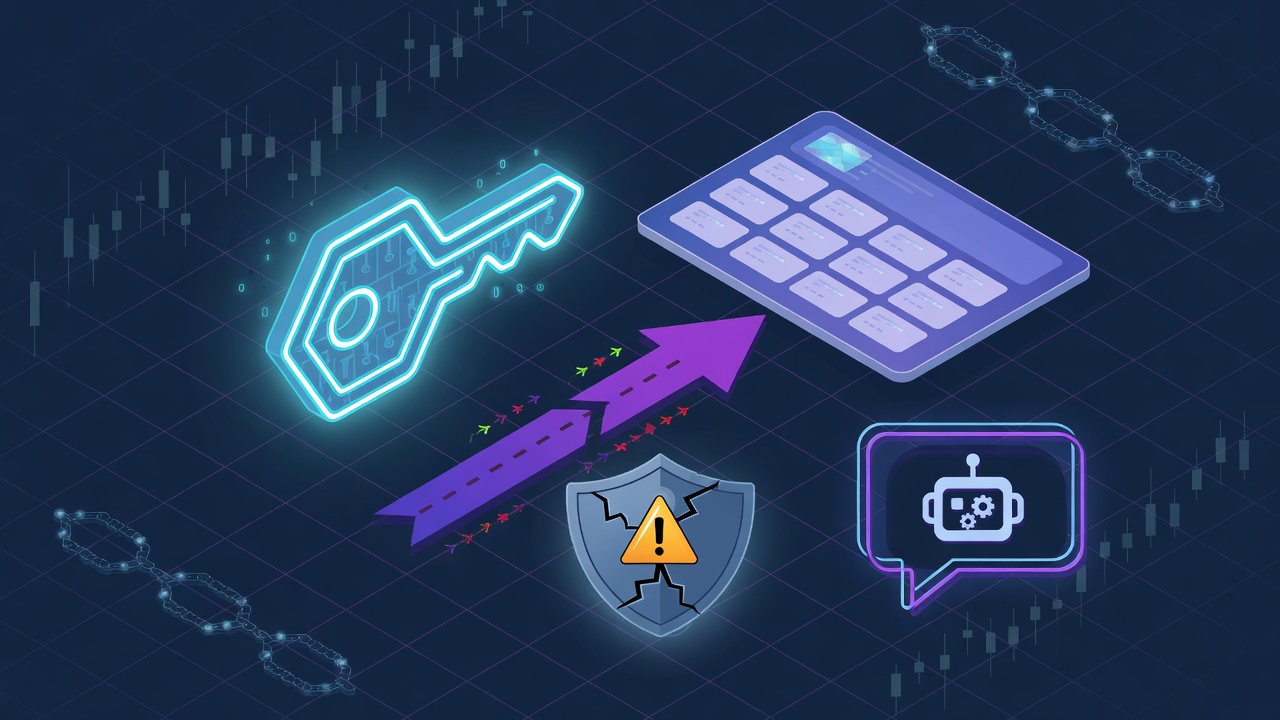
Crypto bot private key vs seed phrase risk is not a toss-up between two mild secrets. Both are full control over money. A private key usually opens one account path. A seed phrase (recovery phrase) can rebuild many keys under one backup. If a Telegram trading bot, "support" account, or fake site asks for either, walk away. Legitimate bots trade from deposit wallets, session keys, wallet connects, or exchange APIs. They do not need your recovery words in chat. This guide is educational, not financial advice. Markets and tools can lose money. Nothing here guarantees returns or total safety.
If you shortlist tools such as Banana Gun, Trojan, BonkBot, Maestro, or BullX, treat key custody as a separate decision from speed or fees. After secrets stay offline, compare job fit on rankings and categories.
Private Key Vs Seed Phrase In Plain Language
Retail chats mix these terms. Keep them separate so your threat model stays accurate.
| Secret | What it is | Typical scope | If stolen |
|---|---|---|---|
| Private key | Cryptographic key for one account / signing path | Often one address or one derived path | Attacker can sign transfers for that wallet |
| Seed phrase / recovery phrase | Human word list that regenerates wallet keys | Often many accounts and chains from one backup | Attacker can rebuild the whole wallet tree |
| Wallet password / PIN | Local unlock on your device or app | Device-local (usually) | Annoying if lost; not the same as on-chain ownership |
| Exchange API key | Programmatic access to an exchange account | Permissions you grant (trade, read, withdraw) | Damage scales with permissions and balances |
Rule of thumb: password protects software on a device. Private key and seed protect ownership of the coins. API keys protect exchange actions. Mixing those layers is how bot setups go wrong.
For broader seed hygiene, see should I share my crypto seed phrase. For chat-specific key traps, see Telegram bot private key risks.
Crypto Bot Private Key Vs Seed Phrase Risk: Side By Side
Both secrets are catastrophic when leaked. They are not equal in blast radius or in how scams present them.
| Dimension | Private key risk | Seed phrase risk | Retail takeaway |
|---|---|---|---|
| Blast radius | Usually one account / path | Can rebuild many derived accounts | Seed leakage is often wider |
| How scams ask | "Import key," "paste hex," "export to bot" | "12/24 words to restore," "support recovery form" | Both are walk-away signals |
| Where it shows up | Fake import tools, malicious scripts, "sync wallet" sites | Fake support, clone recovery pages, "verify deposit" forms | Telegram DMs push both |
| After theft | Drain that wallet | Drain every address regenerated from the seed | Seed recovery is multi-wallet pain |
| Bot legitimacy | Real bots do not need your main private key in chat | Real bots never need your main seed | Deposit / session / API instead |
| Reversibility | On-chain transfers are final | Same finality, larger cleanup | Assume no undo |
Practical answer to the comparison: treat both as "full wallet theft if exposed." Prefer the seed never leaving offline storage. Prefer private keys never exported into Telegram or random web forms. Use a burner funded only for bots so a single mistake does not touch long-term holdings.
How Telegram Crypto Bots Actually Move Funds (Without Your Seed)
When a product is legitimate, it still needs some way to trade. Common models:
- Bot deposit wallet. The bot shows a deposit address. You send risk capital. The bot signs trades from that funded path. You withdraw remaining balance later.
- Session / generated trading wallet. The bot creates or links a trading wallet for the session. You fund it. You still never paste a main seed.
- Wallet connect / limited signatures (more common on web + EVM). You approve specific actions. You still must read every popup.
- Exchange API keys (CEX automation). Trade-only keys, no withdraw when possible, often on a sub-account.
None of those models require: "paste your 12 words in chat." If that is the pitch, you are not looking at a normal trading UX. You are looking at a theft script. Cross-check patterns in the Telegram bot security checklist and Telegram bot API permissions.
Where Private Key Risk Shows Up Around Bots
Private key risk is not only "I typed hex into Telegram." Retail paths include:
1. Import Prompts From Clone Bots Or Fake Sites
A message says the "official" bot moved, or a web UI says "import private key to sync positions." You paste a key from MetaMask, Phantom, or an old export. The attacker now signs freely.
2. "Helper" Scripts And Desktop Tools
Untrusted .exe, cracked "premium bot panels," and random GitHub gists that ask for a private key "to run strategies locally" are classic drains. Device malware can also harvest keys from disk or clipboard.
3. Screenshot And Cloud Leakage
People store private keys in Notes, Google Drive, Telegram Saved Messages, or Discord. That is not "offline backup." It is multi-device exposure waiting for one account compromise.
4. Exporting From A Main Wallet Into A Bot Path
Even if the bot is real, exporting a main private key into any hot path expands risk. Prefer generate-new or fund-new over "reuse the same key I use for savings."
Private key loss is enough to empty that wallet. For bot funding, that should only ever be capital you accepted as risk capital.
Where Seed Phrase Risk Shows Up Around Bots
Seed phrase risk is the social-engineering favorite because users already know the words are "important," so fake recovery feels plausible under stress.
| Scam script | What you hear | What they get |
|---|---|---|
| Stuck deposit support | "Paste seed so we can free your TX" | Full wallet rebuild rights |
| Wallet locked / corrupted | "Restore on this official form" | Seed harvested on a phishing page |
| Airdrop / whitelist verify | "Confirm ownership with recovery words" | Instant drain setup |
| Fake hardware pairing | "Type seed to link device to bot" | Offline secret becomes online text |
| Cloud "secure vault" in chat | "Store backup with our bot" | Shared custody with strangers |
A seed is not a password you can reset with email. It is the wallet. For bot users, the hard rule is identical to the general rule: never type the seed into Telegram, a browser form, or a support ticket. More examples live in common MetaMask phishing examples and Telegram bot phishing links.
Which Risk Is "Worse" For Crypto Bot Users?
Honest comparison for retail:
- If only one secret can leak, seed leakage is usually worse because one phrase often rebuilds multiple accounts, chains, and "I forgot I used that derivation" addresses.
- If the leaked private key is your only funded bot wallet, damage is still total for that balance. Narrower scope does not mean "safe to share."
- Operational risk differs. People paste seeds under support pressure. People paste private keys under "import to trade faster" pressure. Both scripts convert panic or FOMO into theft.
- The winning control is architecture, not semantics. Main seed stays cold or offline. Bot capital lives on a burner. Telegram never sees either secret.
So the search intent "crypto bot private key vs seed phrase risk" resolves to: compare blast radius, refuse both share requests, design wallets so a bot mistake cannot touch the stack.
Safer Wallet Pattern For Telegram Trading Bots
Use job separation. Do not "connect everything to one seed because it is convenient."
Layer 1: Long-Term Holdings
- Hardware or carefully managed self-custody
- Seed written offline, never photographed for chat
- No bot funding from this wallet
- See what is a cold wallet crypto if you are still mapping custody types
Layer 2: Hot / Daily Wallet (Optional)
- Small balances for normal on-chain use
- Still never shared as seed/key into Telegram
Layer 3: Bot Burner Wallet
- Fresh wallet created only for bots
- Fund with size you can lose
- Prefer official handles only (how to find official bot links only)
- Dust-test deposit and withdraw before scaling
- Details: burner wallet Telegram trading bots
Layer 4: Exchange Automation (If Used)
- Sub-account when available
- Trade-only API key; withdraw off when possible
- Label keys, IP restrict if the venue supports it, revoke fast
| Setup choice | Better for bot risk | Worse for bot risk |
|---|---|---|
| Wallet for bots | Dedicated burner | Main savings seed |
| Funding size | Dust then small | Full stack day one |
| Secrets in chat | Never | "Support will fix it" paste |
| Bot discovery | Rankings + official docs | Random reply spam |
| After a scare | Rotate burner, revoke keys | Reuse same seed "because balances moved" |
Decision Tree: What To Do When A Bot Asks For Access
Use this boring sequence:
- Did it ask for seed words or a private key? Stop. Close the chat. Do not "test with a dummy seed" on the same device habits you use for real funds.
- Did it ask for an exchange API key? Create a restricted key on a sub-account. No withdraw if you can avoid it.
- Did it show a deposit address only? Verify official handle, send dust, confirm arrival, then size carefully.
- Did a DM claim to be support? Real staff will not need recovery words. Prefer in-product channels and published usernames.
- Did a website ask to connect a wallet? Check domain and intent. Prefer a burner. Read every signature and spender (beginner guide to crypto approvals and permits).
If you already leaked a key or seed, treat the wallet as burned: new seed on a clean device, move remaining funds out, rebuild bot funding from zero. Do not "change the password" and hope.
Common Mistakes That Collapse The Comparison
Retail users often invent false safety:
- "I only shared the private key, not the seed." Still full control of that wallet.
- "I used a hardware wallet, so Telegram is safe." Hardware helps until you export or type the seed into chat.
- "The bot is popular, so a key import must be normal." Popularity does not rewrite custody math. Clone bots freeload on brand names.
- "I will fund with life-changing size after one green trade." Permissions and custody mistakes scale with size. Strategy skill does not undo a drained key.
- "Screenshots of the seed in Telegram Saved Messages are private." They are not an offline vault.
Compare tools after you fix custody. Product pages for Photon, Unibot, Bloom Bot, and peers still sit on top of the same rule: secrets stay yours.
How TGBot Rankings Fit
TGBot ranks and describes Telegram trading bots by job fit (sniper, copy, signals, alerts, and more). Rankings help you shortlist features, chains, and UX. They do not replace key hygiene.
- Browse rankings once your burner and permissions model are clear.
- Filter by use case on categories.
- Pair product research with how to research a Telegram bot before funding.
Editorial scores and guides are not promises of profit or safety. You still own size, custody, and exit discipline.
Bottom Line
Crypto bot private key vs seed phrase risk is a comparison of two catastrophic secrets, not two optional setup fields. A private key usually drains one path. A seed phrase can rebuild a wider tree of wallets. Neither belongs in a Telegram message, a support form, or a random import page. Fund bots from a burner, keep the main seed offline, prefer deposit / session / trade-only API patterns, and only then compare bots on rankings. This is not financial advice. Nothing here guarantees returns. Custody mistakes are final on-chain.
Not financial advice. Trading involves risk of loss.
FAQ
- What is the difference between a private key and a seed phrase for crypto bots?
- A private key usually controls one account or wallet path. A seed phrase (recovery phrase) can regenerate many private keys under one backup. Both are catastrophic if stolen, but the seed often expands the blast radius across more addresses.
- Is crypto bot private key vs seed phrase risk the same if either leaks?
- The end result is similar: the attacker can move funds. Seed leakage is often worse in practice because one phrase can rebuild multiple accounts and chains. A single private key may be narrower, but still enough to empty that wallet.
- Should I give a Telegram trading bot my private key or seed phrase?
- No. Never paste either into chat, a support DM, a web form, or a "verify wallet" page. Legitimate bots use deposit addresses, session wallets, limited wallet connect flows, or exchange API keys with trade-only permissions.
- Which is safer for funding a crypto bot: main seed wallet or a burner?
- Use a dedicated burner wallet funded only with risk capital. Keep long-term holdings on a separate seed you never type into bot-related apps or chats. Size small until you trust the official handle and the product flow.
- What should I do if I already shared a private key or seed with a bot?
- Treat that wallet as compromised. From a clean device, create a new wallet with a new seed, move remaining funds out as fast as you safely can, and never reuse the exposed backup. Then rebuild bot funding only with a fresh burner.
- Is this financial advice?
- No. This is educational security hygiene for retail users comparing private key and seed phrase risk around crypto bots. Trading and on-chain tools involve risk of loss. Nothing here guarantees returns or total safety.
Not financial advice. Crypto trading can lose money. TGBot rankings are research aids, not guarantees. Always verify official bot links and never share your seed phrase.