What Is A Cold Wallet Crypto? Offline Keys For Long-Term Holdings
What is a cold wallet crypto? Offline private-key storage for long-term coins, how it differs from hot wallets, and how Telegram traders should split funds.
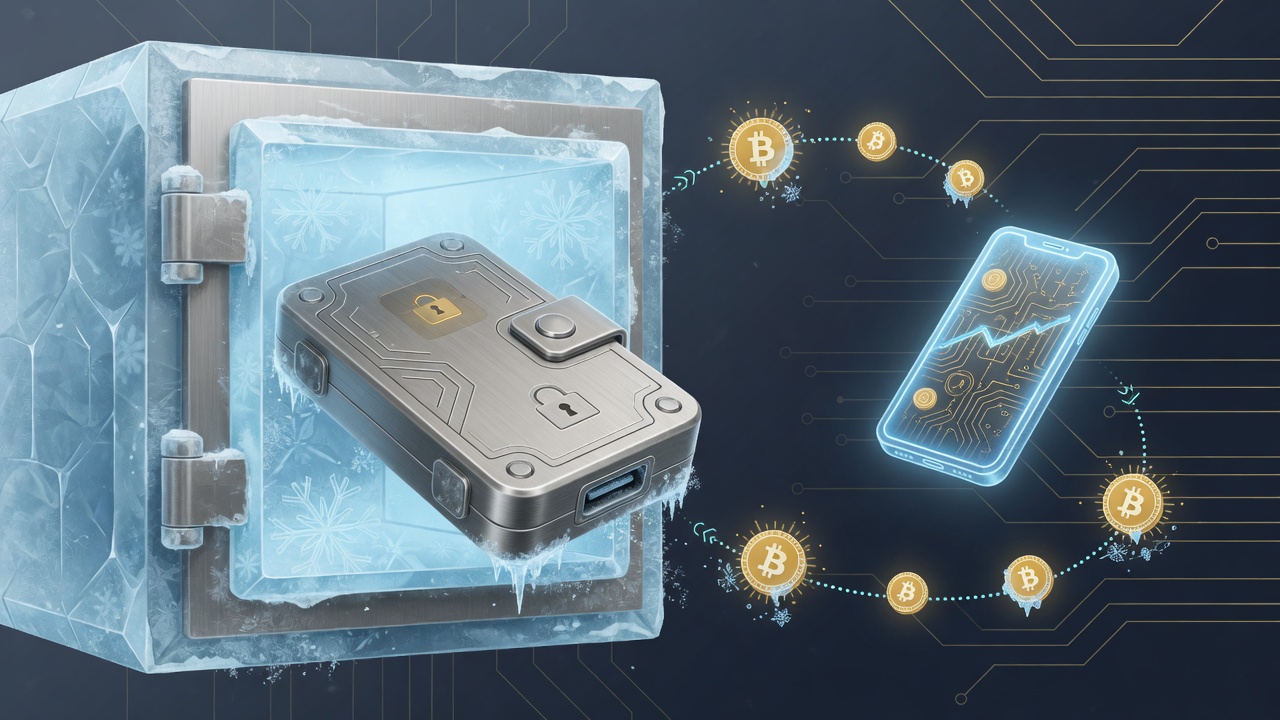
What is a cold wallet crypto? It is a way to store cryptocurrency private keys offline, so the keys that control your coins are not sitting on an always-online phone, browser extension, exchange account, or Telegram bot between moves. People also say "cold storage" or "cold crypto wallet." The job is simple: protect long-term holdings from remote theft, then use a separate hot or burner wallet when you need speed.
This guide defines cold wallet crypto in plain language, shows how it differs from hot wallets, and maps a practical split for retail traders who use chat bots. It is not financial advice and it does not promise returns.
Quick Definition Table
| Question | Short answer |
|---|---|
| What it is | Offline private-key custody for crypto you control |
| What "cold" means | Keys stay offline until you deliberately sign |
| What it is for | Savings and stack you are not trading every day |
| What it is not | A shield from rugs, bad trades, or lost recovery words |
| Common forms | Hardware wallets, air-gapped setups, offline seed/metal backups |
| Bot fit | Keep cold separate; trade from a limited burner wallet |
One line to remember: cold wallet crypto protects keys from the open internet; it does not fix market risk or sloppy backups.
What "Cold Wallet Crypto" Actually Means
When people search what is a cold wallet crypto, they want the custody idea, not a brand pitch. "Wallet" here is software or hardware that holds the private keys (or a way to sign with them). "Cold" means those keys live offline.
While keys stay cold:
- Phone malware and browser stealers have a harder path to scrape them
- A fake Telegram bot cannot import a seed that never left a hardware device or offline backup
- A drained bot session or exchange hot balance does not automatically empty long-term savings
You still broadcast on-chain transactions when you send coins. The difference is where the master keys live until you authorize a move (for example, confirming amount and address on a hardware screen).
Related TGBot wallet guides:
- What is a cold crypto wallet? - deeper cold vs hot vs burner layering
- Telegram crypto wallet - chat-adjacent balance paths
- Telegram wallet what is it - plain wallet definition
- Should I share my crypto seed phrase? - never paste recovery words
Cold Wallet Vs Hot Wallet (And Why Bots Need Hot)
| Custody type | Keys / session | Speed | Typical retail use |
|---|---|---|---|
| Cold wallet crypto | Offline | Slow on purpose | Long-term stack, profit sweeps |
| Hot wallet | Online device or app | Fast | Daily spend, DeFi, frequent moves |
| Burner wallet | Hot by design | Fast | Bot trading only; capped size |
A hot wallet (mobile app, browser extension, exchange balance, Telegram bot deposit or session wallet) signs quickly because something online can act. That convenience is why snipers and copy tools exist, and why private key risks and phishing links matter.
A burner is a hot wallet with a rule: only risk capital for automation. Full pattern: burner wallets for Telegram trading bots.
Cold wallet crypto is the vault. The burner is the cash drawer on the trading desk.
Common Cold Storage Types Retail Users Meet
- Hardware wallets - dedicated devices that keep keys inside and require physical confirm for sends. Most common "cold wallet crypto" product people buy.
- Air-gapped software - signing on a machine that never joins the open internet, then moving only signed data. Powerful and easy to misconfigure.
- Offline seed or metal backups - paper or steel records of recovery words for wallets you control. Backup is not "always cold" if the same seed also lives in a hot app.
- Multisig cold setups - more than one key required to move funds (more process, more recovery planning).
None of these need a Telegram bot. If a chat product asks for your main seed "to unlock cold storage," treat it as a scam signal. See how to spot a fake Telegram trading bot and Telegram crypto bot scams.
How Cold Wallet Crypto Fits Telegram Trading
Tools in the TGBot rankings directory (for example Trojan, Banana Gun, Maestro, BonkBot) optimize for fast execution. They expect a funded hot path: deposit address, session wallet, or similar. That is the opposite design goal of cold storage.
A practical retail split:
- Cold wallet crypto holds stack you are not actively trading.
- You send a planned risk budget to a burner (or limited exchange sub-account).
- The bot trades only from that pool.
- You sweep profits back cold on a schedule, not every candle.
- You never import the cold seed into Telegram "for convenience."
CEX-style bots may use API keys instead of an on-chain burner. Same principle: isolate size, disable withdraw when the product allows it, and keep long-term holdings off the automation path.
Browse job types under categories - trading, sniper, copy-trading, signals - after custody is designed, not before.
When A Cold Wallet Helps (And When It Does Not)
Helps when:
- You hold more than you want exposed to phone malware or a bot compromise
- You can wait minutes or hours to move funds
- You have a tested backup and a restore plan
- You separate "trade capital" from "savings capital"
Does not help when:
- You need sub-second snipes; cold keys cannot sit inside the bot loop
- Your seed is in cloud photos, email, or chat history
- You buy a pre-seeded or counterfeit device from a random seller
- You treat cold storage as a substitute for position sizing and scam filters
Cold wallet crypto reduces one failure class: remote key theft. It does not fix rugs, bad entries, leverage liquidations, or social engineering. Pair custody with the Telegram bot security checklist and is a Telegram trading bot safe?.
Simple Setup Path For Retail Traders
- Decide the split - example: most savings cold, weekly risk budget hot.
- Set up cold storage only from official manufacturer or wallet docs.
- Write the seed offline once; store it where water, roommates, and screenshots cannot casually reach it.
- Practice a tiny receive and send so addresses and confirm screens feel familiar.
- Create a separate burner for bots; fund with dust, then the planned budget.
- Verify bot links letter by letter (official bot links only).
- Log deposit addresses privately so clone UIs stand out.
- Sweep unused leftovers back cold.
If you are new to chat execution, read how to set up a Telegram trading bot safely and crypto trading bot for beginners after the wallet plan is clear.
Common Mistakes With Cold Wallet Crypto
- Reusing the same seed for cold storage and a hot browser wallet "so it stays synced"
- Funding a Telegram bot as if the cold device address were a trading account
- Skipping a restore test until the day a phone dies
- Storing recovery words in Notes, email, or chat
- Buying "pre-configured" devices or seed packs from strangers
- Ignoring seed phrase hygiene because the box said "cold"
Cold is a process, not a product sticker.
Retail Checklist Before You Size Up Bots
- Long-term holdings sit on a cold path you control
- Bot capital lives in a separate burner or limited exchange sub-account
- Seed never entered Telegram, a "support" form, or a random restore link
- Official bot handles verified before funding
- Dust test completed on the trading path
- Withdraw or sweep path practiced once with tiny size
- Telegram 2FA on (is Telegram safe from hackers)
Shortlist tools on rankings only after those boxes are honest. Research bots with the crypto bot due diligence checklist before size.
Bottom Line
What is a cold wallet crypto? Offline private-key storage for coins you do not want sitting in an always-online app, exchange, or Telegram bot. Hardware devices and other offline key methods lower remote theft risk; they do not remove market risk or operational mistakes. For retail traders, the durable pattern is: cold for the stack, burner for the bot, tiny tests before size, and never share a seed. Compare products on TGBot rankings and categories when the custody split is already in place. This is research education, not financial advice.
FAQ
- What is a cold wallet crypto?
- A cold wallet for crypto is offline private-key storage. The keys that control your coins stay off the open internet until you deliberately sign a transfer, usually on a hardware device, air-gapped setup, or carefully offline backup.
- How is a cold wallet different from a hot wallet?
- A hot wallet keeps keys or a signing session online so you can trade and transfer quickly. A cold wallet keeps keys offline for long-term holdings. Hot is for speed; cold is for lower remote-theft exposure.
- Can Telegram trading bots use a cold wallet?
- Not for normal sniper or chat-execution speed. Bots need a hot session wallet, deposit address, or exchange API path. Keep savings cold and fund only a limited burner for bot risk capital.
- Is a hardware wallet the only cold wallet option?
- No. Hardware devices are the most common retail cold path, but cold storage means offline keys. Air-gapped software and offline seed or metal backups can also be cold if they stay offline in practice.
- Does a cold wallet crypto setup eliminate all risk?
- No. It reduces online key theft risk, but you can still lose funds to a lost seed, fake device, phishing during setup, bad address checks, or market moves. Cold storage is custody hygiene, not a profit guarantee.
- Is this financial advice?
- No. This is retail custody education for research. You own wallet choice, position size, and bot risk decisions.
Not financial advice. Crypto trading can lose money. TGBot rankings are research aids, not guarantees. Always verify official bot links and never share your seed phrase.