What Is a Crypto Burner Wallet Used For
Learn what a crypto burner wallet is used for, how traders limit risk with throwaway wallets, and what to check before you fund one on Telegram bots.
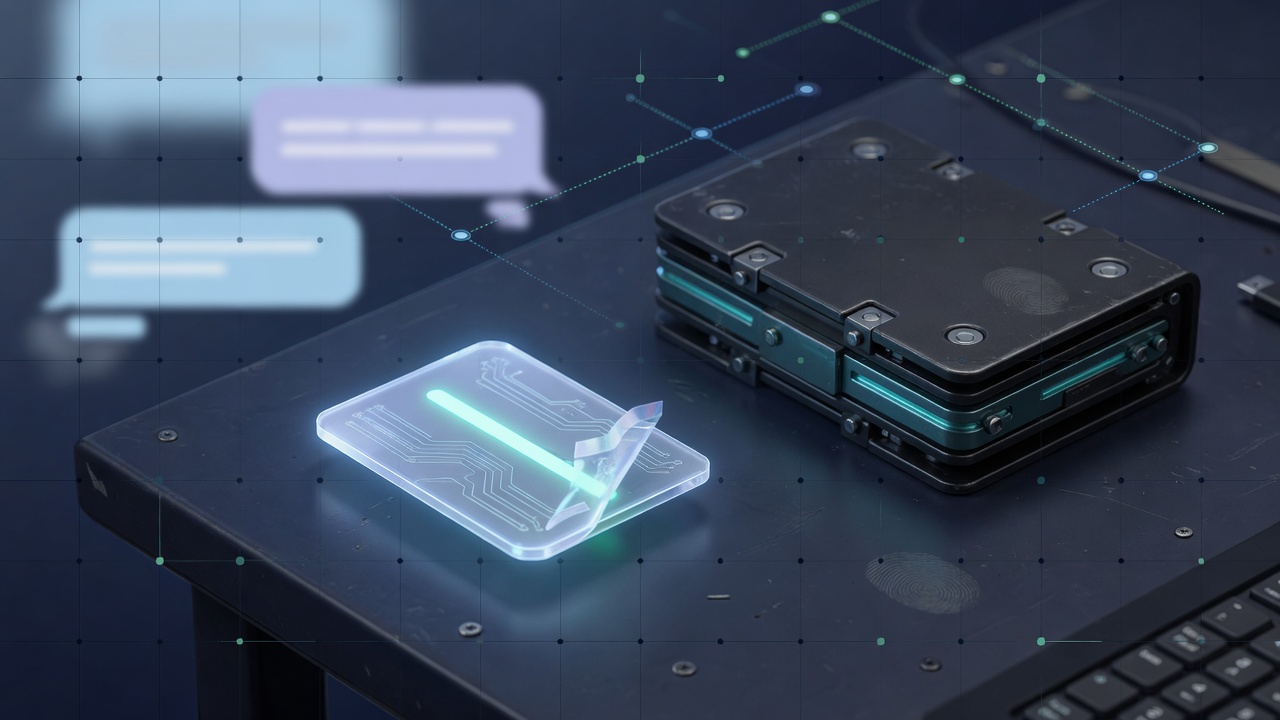
A crypto burner wallet is a temporary, low-value wallet you use for risky on-chain actions so a leak, bad approval, or bot mishap does not touch your main stack. If you are asking what is a crypto burner wallet used for, the short answer is isolation: sniping, minting, testing Telegram trading bots, claiming airdrops, and interacting with unknown contracts while your cold or primary hot wallet stays offline from that activity.
This guide is practical, not hype. Burner wallets do not make you safe by magic. They shrink blast radius when something goes wrong. Nothing here is financial advice. Trading and on-chain use both involve risk of loss.
Why Retail Traders Reach For Burner Wallets
Most losses tied to wallets are not "the chain failed." They are human process failures: infinite approvals, phishing DMs, malicious Telegram mini-apps, copy-paste address errors, or a bot that needs signing rights you should never grant from a life-savings wallet.
A burner wallet is the retail version of least privilege. You put only what you can afford to lose or rotate into it. You use it for the messy edge of crypto. You keep long-term holdings and larger trading capital elsewhere, preferably with stronger custody habits.
On Telegram especially, bots ask for private keys, seed phrases, or session access in ways that feel convenient and are often catastrophic if the bot or a clone is hostile. Even reputable tools still sit closer to the attack surface than a hardware wallet you never paste into chat. Burners help you test workflows without betting the farm on first contact.
What Is a Crypto Burner Wallet Used For In Practice
Here is the job list traders actually hire a burner for:
1. New or untrusted smart contracts You want to mint, stake, claim, or swap on a contract you have not verified deeply. Fund a burner with a small amount, approve only what that job needs, finish the action, then decide whether the wallet is disposable.
2. Telegram trading bots and snipers Many sniper, copy, and limit bots need a funded wallet and fast signing. Traders often spin a burner dedicated to one bot or one chain session so a key leak does not drain every venue. Treat every bot like it could be compromised tomorrow. Job-fit first: does this bot need your main wallet, or only a capped balance?
3. NFT mints, points campaigns, and airdrop farming High interaction volume means more signatures and more phishing bait. Separate farming wallets from storage wallets. If a site drains approvals, only the farming balance is in play.
4. Bridging and experimental L2 or meme-chain activity New bridges and thin liquidity pools are common drain vectors. A burner lets you probe fees, routes, and UX without exposing primary keys.
5. Public or social activity You might want a wallet address you can post, tip from, or use in group challenges without doxxing your main net worth on-chain.
6. Compromise recovery drills Some users keep a labeled burner habit so that when a seed might be exposed, they already know how to empty, abandon, and replace without panic.
What a burner is not used for: long-term storage of size, staking your entire treasury, or "set and forget" yield with open-ended approvals. That is the opposite of the design.
Burner Vs Hot Vs Cold: Simple Ranking For Job Fit
Think in layers, not brand names.
- Cold / hardware: rarely signs, holds size, never pastes seed into Telegram.
- Primary hot: day-to-day CEX withdrawals, known dapps, sized positions you still protect with tight allowances.
- Burner / throwaway hot: low balance, high risk surface, short life, easy to discard.
You can have several burners: one per bot, one per chain, one per campaign. Label them in your own notes. Do not reuse a burned address for fresh size after you suspect malware or a malicious approval.
How To Set Up A Burner Without Fancy Theater
- Create a new wallet in a reputable app or extension you already trust for generation only. Prefer generating offline or on a clean device when you can.
- Write the seed once if you must recover it during the short life of the wallet. Many burners are intentionally abandoned; if you will not recover, fund only dust-plus-gas levels and accept total loss.
- Send a small test amount from your main funding source. Verify the address character-by-character on a second screen when amounts matter.
- Use that wallet only for the defined job (one bot, one mint window, one weekend meme session).
- Revoke token approvals when the job ends if the wallet will live longer than a day. If it is truly disposable and emptied, abandonment after sweep is common, still revoke if any residual value remains.
- Never import the burner seed into random "support" bots, scrapers, or clone interfaces.
Gas planning matters. An empty burner that cannot pay fees is useless mid-snipe. Keep a modest native-token buffer on the chain you actually use, not a kitchen-sink multi-chain stash "just in case."
Security Checks Before You Fund Anything
Run a short checklist every time, not only on scary days:
- Confirm bot or site URLs from official channels you already follow, not from a reply guy in Telegram.
- Read what permission you are signing. Unlimited ERC-20 allowances are a classic foot-gun.
- Prefer spend caps when the UI allows them.
- Separate "trading balance" from "rent and savings" mentally and on-chain.
- Assume screenshots, clipboard managers, and browser extensions can leak. Clean clipboard after pasting addresses.
- If a flow demands your main seed to "sync" or "verify," stop. Real tools do not need that story.
Scam pattern to watch: fake wallet-connect prompts, urgency mints, and bots that mirror legitimate names with one character off. Burners reduce damage. They do not fix gullibility under FOMO.
Fees, UX, And The Real Cost Of Throwaway Wallets
Burners cost time and gas. You will bridge small bags more often. You will pay approval transactions twice if you rotate often. That is the trade: operational friction in exchange for contained loss when a key or allowance goes bad.
For Telegram crypto bot users, the cost math is usually still favorable. One drained main wallet erases months of careful entries. A drained burner with a defined cap is a tuition line item, not a career event. Still size caps deliberately. "Burner" is not a synonym for reckless size.
Common Mistakes That Defeat The Whole Point
- Funding the burner from an exchange directly into a phishing address you mis-copied, then blaming the burner concept.
- Using the same burner for years with rising balances until it is secretly your main wallet.
- Storing the burner seed in the same cloud note as every other seed.
- Approving unlimited spends to a router you never revoke.
- Importing the same seed into five bot UIs "for convenience."
- Sweeping profits from a dirty burner straight into cold storage without checking for malicious tokens or approval baggage on intermediate hops.
Clean exit path: swap or transfer only assets you understand, revoke, empty native gas last, then retire the label in your notes.
How This Ties To Telegram Bot Rankings And Guides
TGBot exists to help you compare Telegram crypto bots by use-case, not by dopamine screenshots. When you evaluate snipers, copy bots, or signal tools, ask whether the product job deserves a dedicated burner, what permissions it wants, and how you would rotate if the operator vanished. Rankings and setup literacy beat FOMO lists.
Use burners as part of a boring process: capped funds, known job, time-boxed session, revoke or abandon, review. That is retail-honest hygiene, not a profit system.
Conclusion
So what is a crypto burner wallet used for? It is used to isolate risky signatures, bot sessions, mints, bridges, and experimental chain activity so a single mistake or malicious approval does not reach your primary holdings. Pair small, intentional balances with tight allowances, short wallet lifespans, and hard rules about never pasting seeds into chat. Stay comparison-first when you pick Telegram tools, keep size honest, and treat every new interface as hostile until proven otherwise.
Not financial advice. Trading involves risk of loss. Do your own research before you fund any wallet or bot.
Not financial advice. Trading involves risk of loss.
FAQ
- What is a crypto burner wallet in simple terms?
- It is a temporary low-balance wallet you use for risky actions so your main wallet is not exposed to the same approvals, bots, or contracts.
- Should I use a burner wallet with Telegram trading bots?
- Often yes for first contact and high-risk bot jobs. Cap the balance, avoid pasting seeds into chat, and rotate if anything looks off. This is risk control, not a promise of safety.
- How much crypto should I put in a burner wallet?
- Only what you accept losing for that session or campaign, plus enough native token for gas. If the balance grows into real size, it stopped being a burner.
- Is a burner wallet the same as a hardware wallet?
- No. Hardware wallets prioritize secure storage and careful signing. Burners are disposable hot wallets for messy on-chain work and isolation.
- Do I need to revoke approvals on a burner?
- If any value remains or you might reuse the address, revoke unnecessary token approvals. If you fully empty and abandon it after a suspected compromise, still treat related devices and habits as suspect.
Not financial advice. Crypto trading can lose money. TGBot rankings are research aids, not guarantees. Always verify official bot links and never share your seed phrase.