What Are Telegram Trading Bots and How to Use Them?
Learn what Telegram trading bots are, how they work, common types, setup steps, fees, permissions, and safety checks before you connect a wallet.
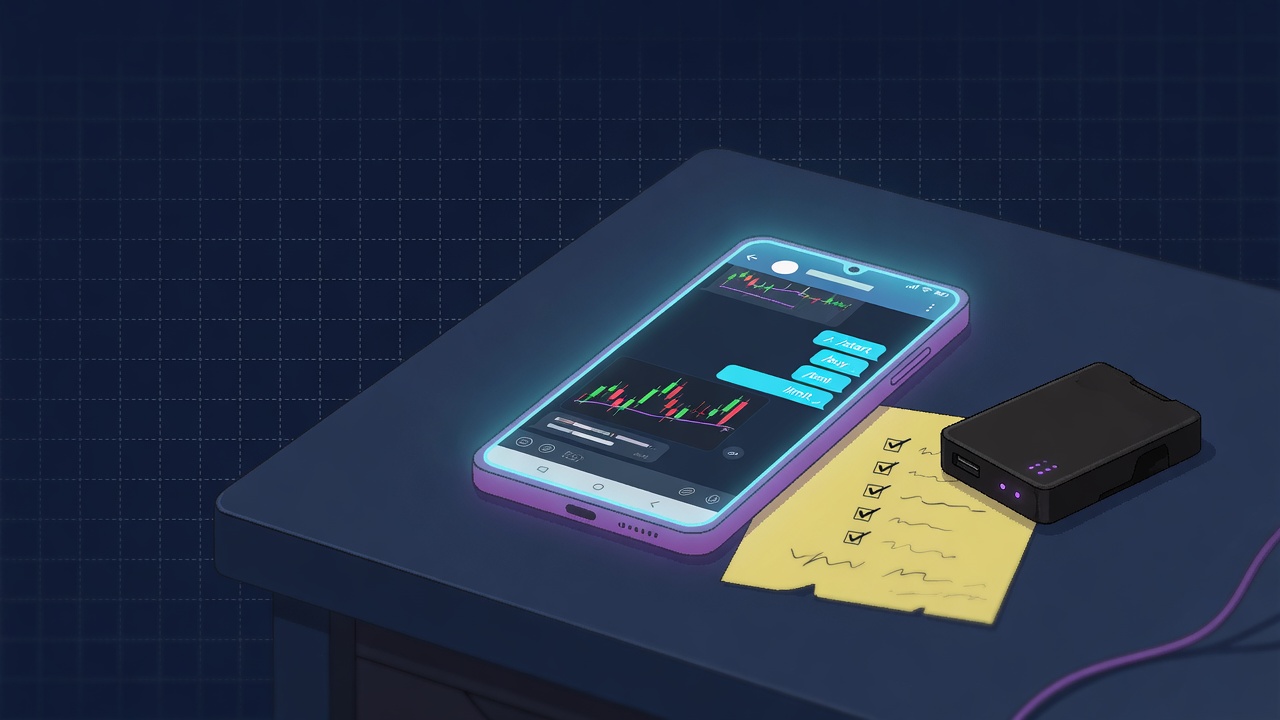
Telegram trading bots are automated tools you run inside Telegram that help you trade crypto faster: sniping launches, placing limit orders, copying wallets, DCA buys, or reading signals without living in a full exchange app. This guide explains what they are, how they work, the main job types, and a practical path to use them without treating any bot as a free money machine.
Not financial advice. Trading involves risk of loss. Always verify bot identity, permissions, and fees before you fund anything.
What Are Telegram Trading Bots
At the simple level, a Telegram trading bot is a chat-based interface to trading logic. You open Telegram, find an official bot username, start a private chat (or join a channel that routes commands), and send commands or tap buttons. Behind that chat sits software that talks to DEXs, CEXs, RPCs, or signal feeds.
Why traders use them:
- Speed on launches and thin liquidity pairs where a web UI feels slow
- Mobile-first flow when you already live in Telegram groups
- Templates for snipes, limits, trailing stops, copy routes, or scheduled buys
- One place to watch alerts and act without juggling five browser tabs
What they are not:
- A guarantee of profit
- A replacement for your own risk limits
- Always safe by default (phishing clones and permission scams are common)
If you only remember one frame: a bot is a tool with a job fit. Match the job (snipe, copy, DCA, signals) before you care about vibes or group hype.
How Telegram Trading Bots Work
Most retail flows follow a similar path:
- You discover a bot via a ranking list, a chain community, or a project channel.
- You open the official bot in Telegram and hit Start.
- You create or import a trading wallet the bot controls (or link an exchange API on CEX-style bots).
- You deposit a small test amount of the chain's gas token plus the asset you plan to trade.
- You set defaults: slippage, gas or tip, max spend, approval style, and exit rules.
- You send commands (
buy,sell, limit, snipe, copy) or use inline buttons. - The bot submits transactions through its backend and returns tx links and fills.
Two custody models show up a lot:
- Bot-generated wallet: fast to start, easy on mobile, but you must export and back up keys, and you accept that malware or a malicious bot can drain funds if keys or approvals are exposed.
- API-key / exchange link: common for CEX bots; scope keys to trade-only when the venue allows it, never withdraw if you can avoid it.
On DEXs, you will also see token approvals. Approving unlimited spend is convenient and dangerous. Prefer tight allowances when the bot supports them, and revoke unused approvals on a block explorer or revoke tool after experiments.
Common Types by Job Fit
Skip generic "best bot" hype. Sort by the job you actually need.
Sniper / launch bots
Built for new pairs and stealth launches. You pre-set max buy, wallet, slippage, and sometimes anti-rug filters. High speed, high failure rate, high scam surface. Best treated as a small-size experimental tool, not a paycheck.
Limit and DCA bots
You define price levels or time-based buys/sells. Useful when you already have a plan and want execution without staring at charts all day.
Copy-trading bots
You mirror wallets labeled as "smart money." Lag, MEV, and size mismatch can wreck the copy. Check whether the bot copies entries only or full exit logic, and whether it filters honeypots.
Signal and alert bots
They push setups, whale moves, or keyword alerts. Some auto-execute; many only notify. Treat signals as inputs, not orders from a prophet.
Portfolio / multi-chain helpers
Balance checks, quick swaps, bridge shortcuts, PnL summaries. Less glamorous, often more useful for daily hygiene.
Meme and social flow bots
Tuned for high-turnover tokens on Solana, Base, or similar. Fees, failed txs, and thin exits matter more than the meme in the chat.
When you compare options on TGBot, rank by job fit, chain support, fee clarity, and permission model first. Marketing screenshots come last.
How to Use Telegram Trading Bots Step by Step
Use this as a first-run checklist, not a promise of results.
1. Define the job and the chain
Write one sentence: "I need a Solana sniper for small test size," or "I need DCA buys on a major pair," or "I need alerts only." If you cannot name the job, you will shop by FOMO.
2. Verify the bot identity
- Confirm the username from a trusted directory or the project's official site/docs, not a random DM.
- Check spelling clones (
1vsl, extra underscores). - Prefer bots with clear docs, visible fee schedules, and a way to export keys or revoke access.
3. Start with a burner workflow
- Fresh Telegram account hygiene is optional; fresh trading wallet hygiene is not.
- Create the bot wallet, export the private key or seed immediately, store it offline.
- Fund with a small test amount only.
- Run one tiny swap or limit to learn fills, fees, and message formats.
4. Set risk defaults before size
Configure:
- Max spend per trade
- Slippage bands you understand
- Gas or priority fees that match how competitive the chain is right now
- Take-profit and stop rules if the bot supports them
- Blacklists / honeypot checks when available
If the bot cannot cap position size, you must cap it with deposit size.
5. Know the fee stack
You may pay:
- Bot fee per trade or subscription
- DEX liquidity fee
- Gas / validator tips
- Price impact on thin pairs
A "cheap" bot with opaque markups is not cheap. Read the fee message on a test trade and compare to doing the same swap in a trusted web UI.
6. Execute, log, review
Keep a simple log: date, pair, why you entered, size, fee, exit, lesson. Bots make it easy to spam trades. Your edge (if any) is selection and risk, not button speed alone.
7. Exit and hygiene
- Withdraw profits to a wallet the bot does not control.
- Revoke token approvals you no longer need.
- Rotate burners if you experiment with sketchy launches.
- Never paste your seed into a "support" chat.
Safety Checks Retail Traders Skip
Phishing: Fake bots drop in reply threads under launch hype. Bookmark official usernames.
Support scams: Real teams rarely DM first asking for seeds or "verification deposits."
Unlimited approvals: Convenient for rapid meme cycling; painful when a token is malicious or a router is compromised.
Opaque custody: If you cannot export keys or the bot cannot explain where funds sit, size down to money you can lose in a full drain scenario.
Group theater: Pinned PnL screenshots are marketing. They are not your fill quality, your lag, or your fee tier.
API keys: On CEX bots, restrict IP if possible, disable withdraw, and rotate keys after tests.
A practical rule: the less you understand the contract, the router, and the fee path, the smaller the wallet you should point at the bot.
How to Choose Among Telegram Trading Bots
Build a short scorecard (1 to 5 each):
- Job fit (snipe vs DCA vs copy vs alerts)
- Chain and wallet support you already use
- Fee transparency on real test txs
- Permission and export clarity
- Docs quality and status page honesty
- Failure behavior (partial fills, stuck nonces, refund paths)
- Community signal without pure shill density
Ignore vanity metrics like "100x calls" in the bio. Prefer clear commands, sane defaults, and boring reliability.
Beginners often need alerts + manual execution, or simple DCA, before snipers and copy stacks. Advanced users still benefit from tiny canary size on any new bot.
Practical Limits and Mindset
Bots compress the time between idea and order. That helps when your plan is ready. It hurts when you are bored, tilted, or copying strangers.
Good use looks like:
- Predefined size and max daily loss
- Known pair universe or strict filters
- Written invalidation (why you sell)
- Tested fee assumptions
Bad use looks like:
- Funding a bot from a DM screenshot
- Max slippage "so it just lands"
- Copying five wallets with full bankroll
- No export of keys and no revokes
Tool literacy beats dopamine. Rankings and checklists exist to slow you down at the selection step so you can go fast at the execution step only when the setup matches your rules.
Conclusion
What are Telegram trading bots and how to use them? They are chat-driven trading interfaces that automate or speed up swaps, snipes, limits, copy routes, and alerts inside Telegram. To use them well, pick a job and chain, verify the official bot, start with a small funded burner wallet, set spend and slippage caps, read the full fee stack on a test trade, and keep custody hygiene tight with exports and approval revokes.
Use comparison-first resources on TGBot to shortlist by use case rather than hype. Nothing here is financial advice. Trading involves risk of loss, including total loss of funds sent to malicious or poorly secured bots.
Not financial advice. Trading involves risk of loss.
FAQ
- Are Telegram trading bots safe?
- They can be operationally useful, but they are not automatically safe. Risks include fake bot usernames, malicious token approvals, key exposure on bot-hosted wallets, and opaque fees. Use official links, small test size, exportable keys, and revoke unused approvals.
- Do I need to share my seed phrase with a Telegram bot?
- No. Never paste a seed phrase into a bot chat or a support DM. Prefer bots that generate a fresh wallet you can export, or CEX-style bots that use restricted API keys without withdraw permission.
- What is the difference between a sniper bot and a DCA bot?
- A sniper focuses on fast entries around new pairs or launches with pre-set size and slippage. A DCA bot spreads buys or sells over time or price levels. They solve different jobs and should be sized and tested differently.
- Can Telegram trading bots guarantee profits?
- No. Bots change execution speed and interface, not market edge. Fees, slippage, lag, scams, and bad selection can still produce losses. Treat every bot as optional tooling, not a return promise.
- How much money should I put in a new bot?
- Only a test amount you can afford to lose while you verify fees, fills, export, and support authenticity. Scale only after several clean test trades and a written size cap per trade and per day.
Not financial advice. Crypto trading can lose money. TGBot rankings are research aids, not guarantees. Always verify official bot links and never share your seed phrase.