Should Beginners Buy A Hardware Wallet First
Should beginners buy a hardware wallet first before Telegram crypto bots? A practical checklist on risk, hot wallets, fees, and when cold storage actually helps.
Start With The Short Answer
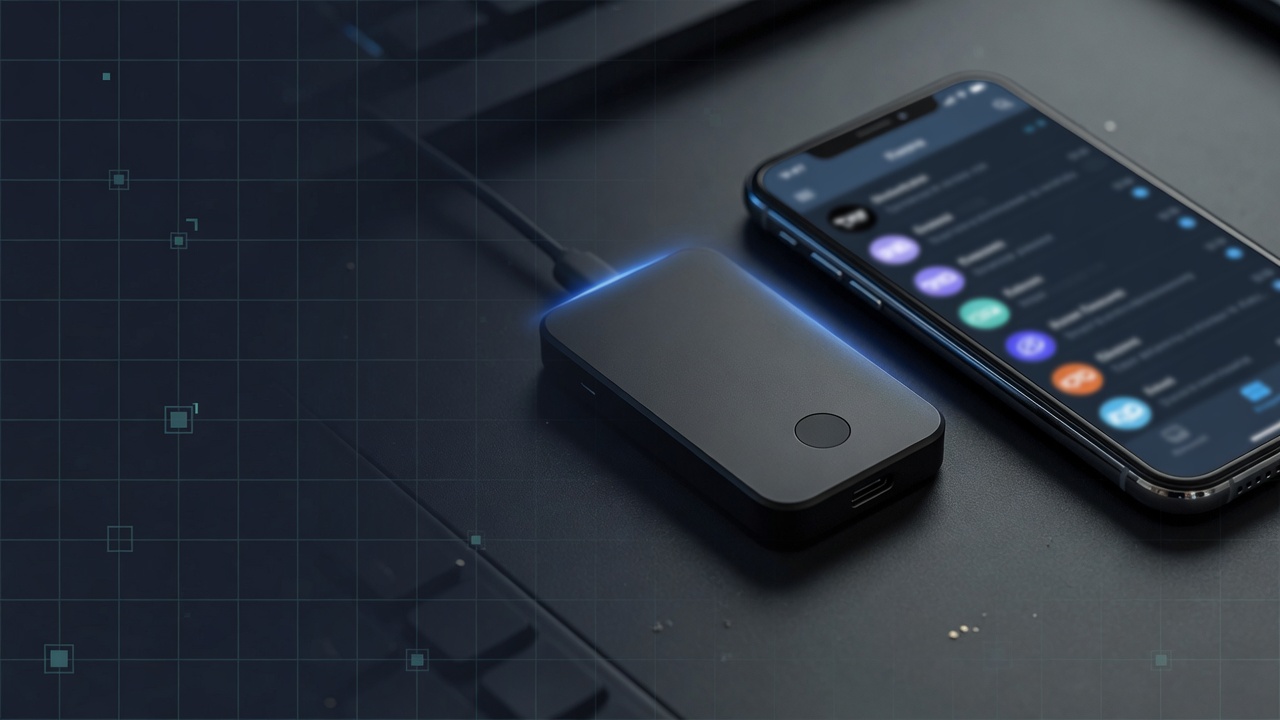
Should beginners buy a hardware wallet first? Often yes before you move real size, and no if you are still learning with dust amounts, read-only tools, or paper setups. A hardware wallet (cold storage) keeps private keys offline. That lowers theft risk from malware, fake bot links, and phishy Telegram DMs. It does not remove market risk, bot bugs, or bad permissions.
This guide is for retail traders who use Telegram crypto bots for sniping, DCA, copy flows, or alerts. TGBot ranks and explains those tools so you can match job-fit, not hype. Not financial advice. Trading involves risk of loss.
Why Hardware Wallets Show Up In Bot Conversations
Telegram trading bots usually need a wallet you control or a session that can sign. Many flows start with a hot wallet (browser extension or mobile app) because setup is fast. Hot keys live on an internet-connected device. That is convenient for speed. It is also the surface attackers love: clipboard scrapers, fake support accounts, cloned bot usernames, and approval drains.
A hardware wallet signs transactions on a separate device. Your seed stays offline if you use it correctly. For beginners, the real question is not brand fanfare. It is sequence: learn the job, limit blast radius, then harden custody when balances matter.
Should Beginners Buy A Hardware Wallet First: A Simple Decision Frame
Use this frame before you spend money on a device.
Buy hardware first (or very early) if:
- You already hold more than you can shrug off losing on a phone or laptop.
- You plan to fund bots from a main bag instead of a tiny hot wallet.
- You click Telegram links daily and feel FOMO pressure.
- You share a machine with other software, extensions, or people.
- You want a clear split: cold vault vs small hot spending wallet.
Wait on hardware (for now) if:
- You are only watching rankings, reading guides, or paper-trading ideas.
- Your on-chain balance is pocket change used only to learn approvals and fees.
- You have not practiced seed backup, receive tests, and send tests yet.
- You would store the seed in screenshots, cloud notes, or chat history.
Hardware is a tool. If your process is sloppy, plastic and metal will not save you. If your process is clean, even a modest cold device can shrink the worst custodial mistakes.
What A Hardware Wallet Does And Does Not Do
Does:
- Keep private keys offline during normal use.
- Require physical confirmation for many transfers.
- Help you separate long-term holdings from bot-operating funds.
- Reduce some remote-theft paths that hit hot wallets.
Does not:
- Guarantee profit or protect you from bad trades.
- Stop you from approving a malicious smart contract if you confirm it.
- Fix a seed you typed into a phishing site.
- Replace fee literacy, slippage checks, or bot permission reviews.
- Make every Telegram bot safe.
When people say cold storage is safer, they usually mean safer against certain theft vectors. Market drawdowns and strategy errors still apply.
Beginner Path That Fits Telegram Bot Use
A practical order many retail users follow:
- Education pass. Learn seed phrases, addresses, networks, gas, and what a token approval means. Use TGBot-style checklists: fees, permissions, chain fit, support channels that are not random DMs.
- Tiny hot wallet lab. Create a fresh hot wallet with money you can lose. Practice receive, send, and revoke flows. Never reuse that seed anywhere else.
- Bot job-fit. Pick one use-case (alerts only, DCA, limited sniper tests). Avoid stacking ten bots on day one.
- Blast-radius rules. Cap the hot wallet. Do not connect your life savings to a Telegram session.
- Hardware when size grows. Move vault funds to cold storage. Keep a small hot balance for bot ops. Transfer deliberately, not impulsively.
If you reverse this and buy premium hardware while still clicking every airdrop bot, you paid for theater.
Hot Wallet Vs Hardware For Bot Operators
| Need | Hot wallet | Hardware wallet |
|---|---|---|
| Speed to try a bot | High | Slower setup |
| Daily small txs | Convenient | Extra confirms |
| Holding size | Poor fit for large bags | Better vault role |
| Phishing resistance | Weaker if device is infected | Stronger if seed stays offline |
| Beginner mistakes | Easy to over-approve | Still possible on-screen |
Many careful users run both: cold for savings, hot for operations. That dual setup answers should beginners buy a hardware wallet first with a middle path: not first-second of onboarding, but first serious custody upgrade before size.
Setup Mistakes That Hurt Beginners
Avoid these patterns.
- Seed on camera or chat. Anyone with the seed owns the funds. No reputable flow needs your seed inside Telegram.
- Buying from random resellers. Prefer official channels. Tampering stories exist for a reason.
- Skipping a test send. Always receive a small amount, verify address on the device screen, then send a dust test out.
- One wallet for everything. Bots, NFTs, random mints, and rent money should not share one key if you can help it.
- Blind contract approvals. Read spender, amount, and chain. Unlimited allowances are common drain fuel.
- Fake bot support. Real support does not DM first asking you to validate a wallet.
TGBot's stance is comparison-first and retail-honest: rank tools by job, then stress safety habits. Custody is part of that job.
Cost, Friction, And When Friction Helps
Hardware costs money and adds steps. That friction is a feature when emotions run high. A confirm screen can slow a panic buy or a drain payload. For pure learning with tiny size, friction can also block practice reps.
Ask:
- Will I actually use the device, or will it sit in a drawer?
- Can I back up the seed on durable offline media and store it sanely?
- Do I understand the chain and asset support I need?
- Is my threat model roommate theft, malware, or only chart mistakes?
If malware and phishing worry you more than UI friction, lean toward earlier hardware. If you still confuse networks and addresses, train on tiny hot funds first.
How This Ties To Telegram Crypto Bot Rankings
Bot rankings should include more than entry price or Twitter buzz. Useful filters:
- Clear fee model
- Permission scope you can explain in plain words
- Chain and wallet compatibility
- Reputation for support hygiene (no seed requests)
- Escape hatches: export, disconnect, revoke paths
A hardware wallet does not rank a bot higher. It changes how much you should load behind any bot. Treat rankings as shortlists, then apply custody limits. Run process over dopamine: size down until your checklist is boring.
A 15-Minute Pre-Purchase Checklist
Before you buy cold storage:
- Write your threat model in one sentence (example: stop browser drains on my main bag).
- Decide vault vs ops split percentages you can stick to.
- Confirm you can store a seed without photos or cloud docs.
- Schedule a calm setup hour, not a candle-chase minute.
- Plan a dust test on the networks you actually use.
- List bots or dapps you will connect only from the hot ops wallet.
- Bookmark official firmware and docs paths ahead of time.
- Accept that this is risk reduction, not a return upgrade.
If you cannot complete that list, hold the purchase and keep learning.
Conclusion
Should beginners buy a hardware wallet first? Buy one early if real balances are in play or you are about to fund active Telegram bot workflows from a main wallet. Wait if you are still in lab mode with money you can lose and habits you have not practiced. Cold storage strengthens custody. It does not make trades safer or returns certain.
Use rankings and guides to pick bots by job-fit, keep hot wallets small, and graduate vault funds to hardware when size shows up. Not financial advice. Trading involves risk of loss. For more practical Telegram crypto bot rankings and guides, start at tgbot.com.
Not financial advice. Trading involves risk of loss.
FAQ
- Should beginners buy a hardware wallet before using any Telegram trading bot?
- Not always. If you only test with dust on a fresh hot wallet, you can learn bot flows first. If you plan to fund bots with money that would hurt to lose, set up hardware (or at least a strict vault vs hot split) before scaling.
- Does a hardware wallet make crypto bots safe?
- No. It reduces some theft paths by keeping keys offline, but you can still approve bad contracts, mis-send funds, or lose money on trades. Bots, fees, and permissions still need review.
- Can I use a hardware wallet with every Telegram bot?
- Compatibility varies. Many bots expect a hot wallet or session model. A common pattern is hardware for long-term holdings and a limited hot wallet for bot operations.
- What should I do if a Telegram account asks for my seed phrase?
- Stop. Treat it as a scam. Real tools do not need your seed in chat. Protect the seed offline and revoke suspicious approvals from a clean path if you may have been exposed.
- Is this financial advice?
- No. This is educational material on custody sequencing and bot hygiene. Trading involves risk of loss. Make your own decisions or consult a qualified professional.
Not financial advice. Crypto trading can lose money. TGBot rankings are research aids, not guarantees. Always verify official bot links and never share your seed phrase.