How to Start With Alerts Before Trading Bots
Learn how to start with alerts before trading bots on Telegram. Build signal literacy, cut FOMO, and pick tools by job-fit without hype.
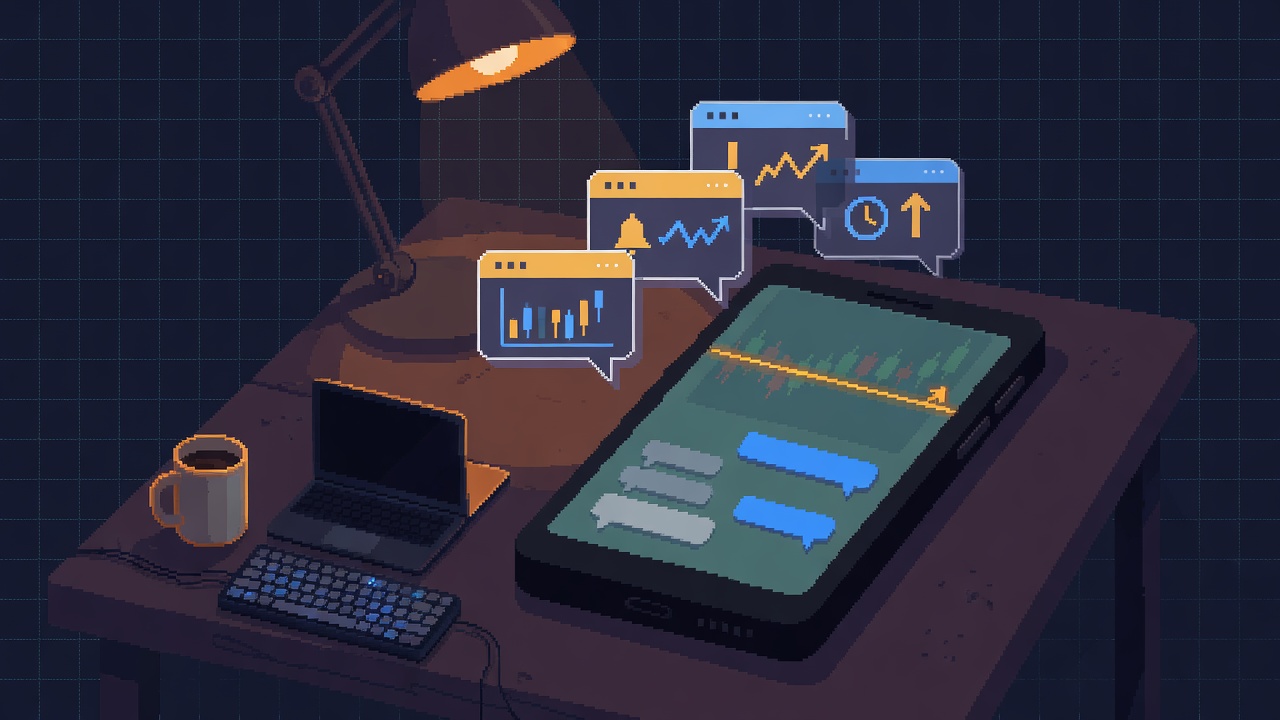
Why Alerts Come Before Automation
If you are searching how to start with alerts before trading bots, you are already ahead of most retail traders who jump straight into snipers, copy tools, or fully automated entries. Alerts teach you what matters on-chain and in Telegram channels without handing execution to software you do not yet understand. This guide is educational, comparison-first, and not financial advice. Trading involves risk of loss.
Alerts are the training layer. Bots are the execution layer. Mix them up and you often get noise, bad permissions, and decisions driven by dopamine instead of a checklist.
What an Alert Actually Does
An alert is a notification when a condition hits. Price crosses a level. Volume spikes. A wallet moves. A channel posts a ticker. A liquidity pool changes. You still decide whether to act.
A trading bot goes further. It may place orders, snipe launches, mirror wallets, or run DCA rules once you grant access and configure it. That gap is the whole point of starting with alerts.
Common alert sources retail traders use:
- Exchange or charting price and indicator alerts
- On-chain watchers for wallets, pools, or new pairs
- Telegram channels or bots that push text or inline notices
- Portfolio trackers that ping drawdowns or target levels
None of these replace judgment. They compress attention so you practice pattern recognition with lower blast radius than live bot size.
How to Start With Alerts Before Trading Bots
Use a simple ladder. Do not skip steps because a group chat is loud today.
1. Define the Job, Not the Ticker
Write one sentence: what decision should this alert support? Examples: "Notify me when my watchlist asset moves 5% in 15 minutes so I can review the chart." Or: "Ping when a tracked wallet buys above X size so I can research the token."
If you cannot state the job, you will collect spam alerts and later buy a bot that automates the spam.
2. Pick One Market and One Timeframe
Start narrow. One chain or one major pair set. One primary timeframe for context (for example higher-timeframe bias) and one lower timeframe for the trigger. Alerts that fire on every one-minute wiggle train you to react, not to filter.
3. Prefer Read-Only and Low-Privilege Paths
Early alert setups should not need withdrawal rights, unlimited token approvals, or opaque "connect and trust us" flows. For Telegram-based tools, read permissions, public channels, and clear bot commands beat mystery mini-apps that demand a hot wallet on day one.
4. Log Alerts Like a Junior Analyst
For two weeks, keep a plain note:
- Time of alert
- Condition that fired
- What you saw on chart or explorer
- Action taken (ignore, watch, small manual trade, no trade)
- Outcome note after the session (not a P&L brag sheet)
You are building a personal false-positive rate. That rate is what later tells you whether a sniper, copy bot, or DCA bot fits the job at all.
5. Add Human Gates Before Any Bot
Rules that stay human until you prove them:
- Max number of alert-driven checks per day
- No size increase after a streak of "wins" on tiny samples
- Cool-down after three ignored alerts in a row (your filters are wrong)
- Separate "research alert" from "execution candidate"
Only after the log shows repeatable, boring clarity should you compare Telegram trading bots by category (signals assistants, limit or DCA helpers, snipers, copy tools).
Alert Types Worth Practicing First
Price and level alerts. Simple crosses, range breaks, percentage moves. Good for learning noise versus structure.
Volume and volatility alerts. Help you see when a move has participation. Still not a buy signal by themselves.
Wallet and flow alerts. Useful for education on how smart money narratives form. High scam and spoof risk if you copy blindly later.
News and channel alerts. Telegram is fast and messy. Practice tagging source quality: primary data, aggregator, anonymous call channel, or paid signal brand.
Portfolio risk alerts. Drawdown, concentration, stablecoin balance low. These often matter more than entry pings.
Rank tools by clarity of trigger, mute controls, and whether they push you toward reckless speed. Rankings and job-fit beat hype lists.
Checklist Before You Graduate to Trading Bots
Work through this list honestly:
- Can you explain every alert condition in plain language?
- Do you know who controls the data feed and what happens when it lags?
- Have you muted or deleted more alerts than you added in the last month?
- Do you have a written max loss per idea that does not depend on a bot "taking care of it"?
- For any Telegram bot you might add next, can you list fees, chains, and permission scope without marketing adjectives?
- Would you still want the bot if alerts alone already cover 80% of the job?
If several answers are no, stay on alerts. Automation multiplies both process and mistakes.
Common Mistakes When Skipping Alerts
FOMO configuration. Importing someone else's bot preset without understanding triggers.
Permission sprawl. Approving spend or session keys because setup wizards rush you.
Alert spam then bot spam. Fifty channels plus three execution bots is not a system. It is a notification pile-up.
Confusing speed with edge. Snipers and copy bots compete on latency and flow. Alerts teach you whether you even want that game.
No kill switch habit. If you never practiced turning alerts off, you will hesitate when a bot misbehaves.
How TGBot Frames the Next Step
TGBot exists for Telegram crypto bot rankings and guides with a retail-honest lens. When your alert log is stable, use category thinking: sniper versus copy versus signals versus DCA-style helpers. Compare on fees, chains, permissions, support surface, and fit to the job you already defined. Visit https://www.tgbot.com for rankings and guides oriented around that job-fit, not guaranteed outcomes.
Cross-check any bot claim the same way you audited alerts: what is the trigger, what is manual, what is automated, and what is your exit when the feed is wrong.
Building a Minimal Daily Routine
Keep the routine short so you can sustain it.
Before the session: Enable only the alerts tied to today's watchlist. Disable the rest.
During: When an alert fires, open chart or explorer first, Telegram second. Note the decision in one line.
After: Disable noisy alerts. Promote at most one new condition next week. Never promote a bot the same day a new alert type is added.
This is slow on purpose. Retail trading already supplies enough adrenaline. Alerts should reduce chaos, not schedule it.
Security and Scam Hygiene on Telegram
Alerts and bots share the same social attack surface.
- Verify bot handles carefully. Impersonation is common.
- Prefer official links from project sites you typed yourself, not DMs.
- Never seed phrases. Ever.
- Treat "VIP alert group to bot pipeline" upsells as high skepticism until proven.
- Separate a small research wallet from long-term holdings if you later test execution tools.
- Read bot commands and permission prompts like contracts, because functionally they are.
If a workflow demands urgency plus opacity, it fails the alert-first standard.
When Alerts Are Enough
Sometimes you never need a trading bot for a given strategy. Manual entries with disciplined alerts can be the whole stack for swing-style or research-heavy approaches. Bots shine when the job is repetitive, rules-based, and already profitable enough on paper after fees and misses. They are poor therapy for undisciplined entries.
Be willing to conclude "alerts only" as a valid end state. That conclusion is maturity, not failure.
Conclusion
Learning how to start with alerts before trading bots is how you keep control of attention, permissions, and risk framing. Define the job, narrow the market, log every ping, and graduate only when filters are boring and clear. Then compare Telegram tools by fit, fees, and safety, not by hype clips. Not financial advice. Trading involves risk of loss. For practical rankings and guides when you are ready to evaluate bots, use https://www.tgbot.com as a literacy layer, not a promise machine.
Not financial advice. Trading involves risk of loss.
FAQ
- Why start with alerts instead of a Telegram trading bot?
- Alerts train you to define conditions, measure noise, and decide manually before you grant execution permissions. Bots multiply whatever process you already have, including bad filters and FOMO.
- How long should I use alerts before trying trading bots?
- Use a written log for at least a few weeks of real sessions. Move on only when you can explain triggers in plain language, mute noise routinely, and show a stable checklist. There is no universal day count.
- What permissions are reasonable for alert-only Telegram tools?
- Prefer read-only or notification-style access. Avoid withdrawal rights, blanket token approvals, and rushed wallet connects until you have a clear execution job and have reviewed fees and scope.
- Can alerts replace trading bots completely?
- Yes for many retail workflows. If manual decisions plus disciplined alerts cover the job, staying alert-only is valid. Bots help mainly with repetitive, rules-based tasks you already understand after costs and errors.
- How do I avoid alert spam on Telegram?
- One job per alert, strict mutes, few sources, and a weekly delete pass. If you ignore an alert type three times in a row, fix or remove the condition instead of adding a bot on top.
Not financial advice. Crypto trading can lose money. TGBot rankings are research aids, not guarantees. Always verify official bot links and never share your seed phrase.