How to Move First Funds to a Wallet Without Rushing
Learn how to move first funds to a wallet step by step: wallet types, test sends, fees, permissions, and safety checks for new crypto traders.
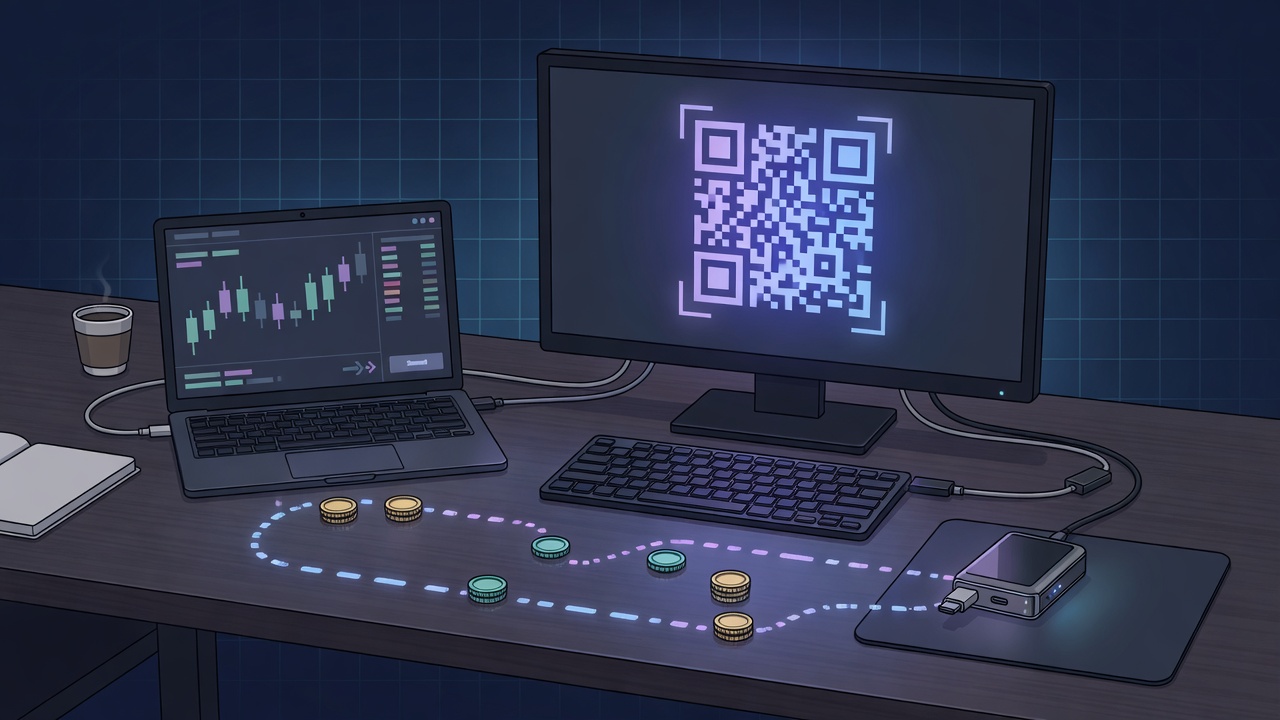
If you are figuring out how to move first funds to a wallet, start small, verify the address twice, and send a test amount before the full balance. Your first transfer is less about speed and more about building a repeatable process you can trust when you later connect tools, including Telegram trading bots.
This guide walks through wallet choice, funding paths, fees, and a plain safety checklist. It is educational, not a call to trade. Not financial advice. Trading and transfers involve risk of loss, including permanent loss if you send to the wrong address or approve the wrong contract.
Why Your First Transfer Sets the Tone
Most new traders skip structure. They buy on an exchange, panic-copy an address from a chat, and hit send. That is how people lose coins to typos, phishing sites, and fake support bots.
A clean first move does three jobs:
- Proves you control the destination wallet.
- Teaches you network fees and confirmation times on a tiny stake.
- Creates a habit you can reuse when funding bot-related wallets later.
Treat the wallet like ops gear, not a lottery ticket. Label it. Back it up. Fund it in stages.
Pick a Wallet That Matches the Job
Before you move anything, decide what the wallet is for.
Custodial exchange wallet: Easy deposits and fiat on-ramps. The exchange holds keys. Fine for buying, weak if your job is on-chain tools or Telegram bots that need a self-custody address.
Software self-custody (mobile or browser): You hold the seed phrase. Better for DeFi, DEX swaps, and bot flows that ask for a wallet address or connection. Higher personal responsibility.
Hardware wallet: Keys stay offline. Stronger for larger stacks and long-term storage. Slower for high-frequency bot experiments.
Retail-honest fit check:
- Learning only: small software wallet, minimal funds.
- Active on-chain use: software wallet plus optional hardware cold storage.
- Just holding after a buy: exchange withdrawal to a wallet you control, or leave on exchange only if you accept counterparty risk.
Never share your seed phrase with a Telegram contact, bot, or "support" account. Real bots and real support will not ask for it.
How to Move First Funds to a Wallet
Use this sequence when you practice how to move first funds to a wallet. Keep amounts tiny until every step feels boring.
Step 1: Create or open the destination wallet
Install the wallet from the official site or official app store listing. Create a new wallet if needed. Write the seed phrase on paper (or a metal backup if you use one). Store it offline. Confirm you can restore or view the receive address before funding.
Step 2: Confirm the network
Crypto is not one pipe. USDT on Ethereum is not the same as USDT on Tron or Solana. Your exchange withdrawal network must match the wallet network and token standard. Wrong network is a common permanent loss path.
Write down:
- Asset ticker (for example ETH, SOL, USDC)
- Chain or network name
- Token contract only if you are adding a custom token (advanced; skip on day one if unsure)
Step 3: Copy the receive address carefully
In the destination wallet, open Receive. Copy the address with the wallet UI button. Paste into a notes app. Check the first 4 to 6 and last 4 to 6 characters against the wallet screen. Do not trust an address someone DMs you.
If the wallet shows a QR code and you are on mobile, scanning can reduce typos. Still verify characters.
Step 4: Start the withdrawal or send from the source
On the exchange or source wallet:
- Choose Withdraw or Send.
- Paste the address.
- Select the exact same network.
- Enter a test amount only (enough to cover fees plus a small remainder you can see arrive).
- Review the fee estimate and arrival estimate.
- Confirm with 2FA or wallet approval if prompted.
Wait for the test to show as confirmed in the destination wallet explorer or in-app balance. Only then send the larger remainder in one or more chunks you are comfortable losing to user error (ideally still modest while you learn).
Step 5: Record the tx and label the wallet
Save the transaction hash. Label the wallet in your notes: purpose, chain, date funded. Future you will thank present you when juggling bot wallets, gas wallets, and longer-term holdings.
Fees, Timing, and What "Done" Looks Like
Network fees pay validators or miners. They move with congestion. A cheap moment on one chain can be expensive on another.
Exchange fees may stack on top of network fees. Read the withdrawal screen before you confirm.
Confirmations mean the network has included your transfer. "Pending" is not finished. Do not spend or bridge funds that have not finalized.
Stablecoins and memo fields: Some networks and exchange deposits require a memo, tag, or destination note. Wallets receiving simple peer-to-peer sends often do not. If the source insists on a memo and you are withdrawing to self-custody, re-read the instructions. Missing memos on exchange deposits are a frequent support ticket. For wallet-to-wallet on many chains, memo is unused. Match what the destination actually requires.
Safety Checklist Before You Scale Size
Run this list every time until it is muscle memory.
- Official wallet download only. No random Telegram APK links.
- Seed phrase offline. Never typed into a bot chat.
- Network match verified on both sides.
- Test send completed and visible.
- Address character check done after paste (malware can swap clipboard addresses).
- 2FA on the exchange account, preferably app-based, not SMS alone.
- Browser bookmarks for explorers you trust. Avoid googling ticker plus "login" when you are in a hurry.
- Separate "hot" wallet for experiments from any larger stash.
If a Telegram bot asks you to import a seed or to "validate" your wallet by pasting a phrase, stop. That is not a normal funding flow.
Common Mistakes When Funding the First Wallet
Wrong chain, right ticker. The UI looks similar. The coins do not bridge themselves by magic.
Full balance first. One bad paste and the lesson is expensive. Test amount first always.
Screenshot seed in cloud photos. Convenient until the cloud account is phished.
Funding a wallet you do not control. Some "portfolio" apps and shady bots show a deposit address you do not hold keys for. If you cannot export or restore with your seed, it is not your wallet.
Mixing gas and trading inventory with no plan. On many chains you need the native token for fees. Landing only a stablecoin with zero gas token can leave you stuck until you source gas.
Rushing because a signal group said now. Delay is cheaper than a bad address. Markets will have another candle. Your coins will not return from a wrong permanent send.
How This Ties to Telegram Crypto Bots
TGBot exists to help you compare Telegram crypto bots by job fit: snipers, copy tools, alerts, DCA-style helpers, and more. Almost all serious on-chain flows still assume you can fund and manage a wallet without drama.
Practical pattern many retail users adopt:
- Main exchange for fiat on-ramp.
- Self-custody hot wallet with limited funds for bot-related actions.
- Optional cold storage for funds not in play.
When a bot needs an address to receive tokens, or when you approve a connection, you want that address to be one you created on purpose, funded on purpose, and sized so a mistake is survivable. Rankings and setup guides matter more after the boring funding pipeline works.
For deeper tool comparisons and category guides, use TGBot as a rankings and literacy hub. Pair any bot with the same transfer discipline you used on day one.
Minimal Bankroll Hygiene
You do not need a huge stack to learn the rails.
- Size the first funding wave as tuition, not as a make-or-break bet.
- Keep a written max for hot wallets.
- Replenish from cold or from exchange only after you review what you spent on fees and mistakes.
- Avoid borrowing to fund wallets or bots.
If you feel urgency from group chat screenshots, step away. Process beats impulse.
Conclusion
Learning how to move first funds to a wallet is a foundation skill: match the network, verify the address, send a test, then scale size only after confirmation. That workflow protects you whether you are simply self-custodying a purchase or preparing a small hot wallet for Telegram bot experiments later.
Stay practical. Prefer checklists over hype. Not financial advice. You can lose money through user error, network choice mistakes, scams, and normal market risk.
Quick Reference Card
Copy this into your notes:
- Create wallet from official source.
- Back up seed offline.
- Note asset + network.
- Copy receive address and verify ends.
- Withdraw test amount.
- Confirm arrival on the right chain.
- Send remaining planned amount.
- Label wallet and archive tx hash.
- Never seed-share in Telegram.
- Keep hot balances limited.
Master that loop once. Reuse it every time the UI looks shiny and the chat feels loud.
Not financial advice. Trading involves risk of loss.
FAQ
- How much should I send in the first test transfer?
- Send the smallest amount that still arrives visibly after fees. The goal is to prove address and network match, not to fund your full stack in one click.
- Why did my exchange ask for a memo or tag but my wallet did not?
- Memos and tags are often required when depositing to exchange accounts, not when sending to many personal wallets. Follow the destination requirements exactly. If you are withdrawing from an exchange to your own wallet, you usually paste only the address and select the correct network unless the chain itself uses a destination note.
- Can I fund a Telegram trading bot by giving it my seed phrase?
- No. Do not give any bot or person your seed phrase. Funding means withdrawing to an address you control, or connecting a wallet through the bot's documented flow without exposing keys.
- What if I sent funds on the wrong network?
- Recovery is sometimes impossible and sometimes needs advanced help from the destination platform. Prevention matters more: match networks before you confirm. If it already happened, contact official support channels only and never pay a recovery stranger in Telegram.
- Is leaving coins on an exchange safer than a wallet?
- Different risks. Exchanges add counterparty and login risk. Self-custody adds personal key-management risk. Many people use exchanges to buy, then withdraw modest amounts to a wallet they control for on-chain tools.
Not financial advice. Crypto trading can lose money. TGBot rankings are research aids, not guarantees. Always verify official bot links and never share your seed phrase.