How to Check Token Liquidity Before Buying on Telegram Bots
Learn how to check token liquidity before buying with Telegram crypto bots. Practical checks for pool size, locks, rugs, and slippage risk.
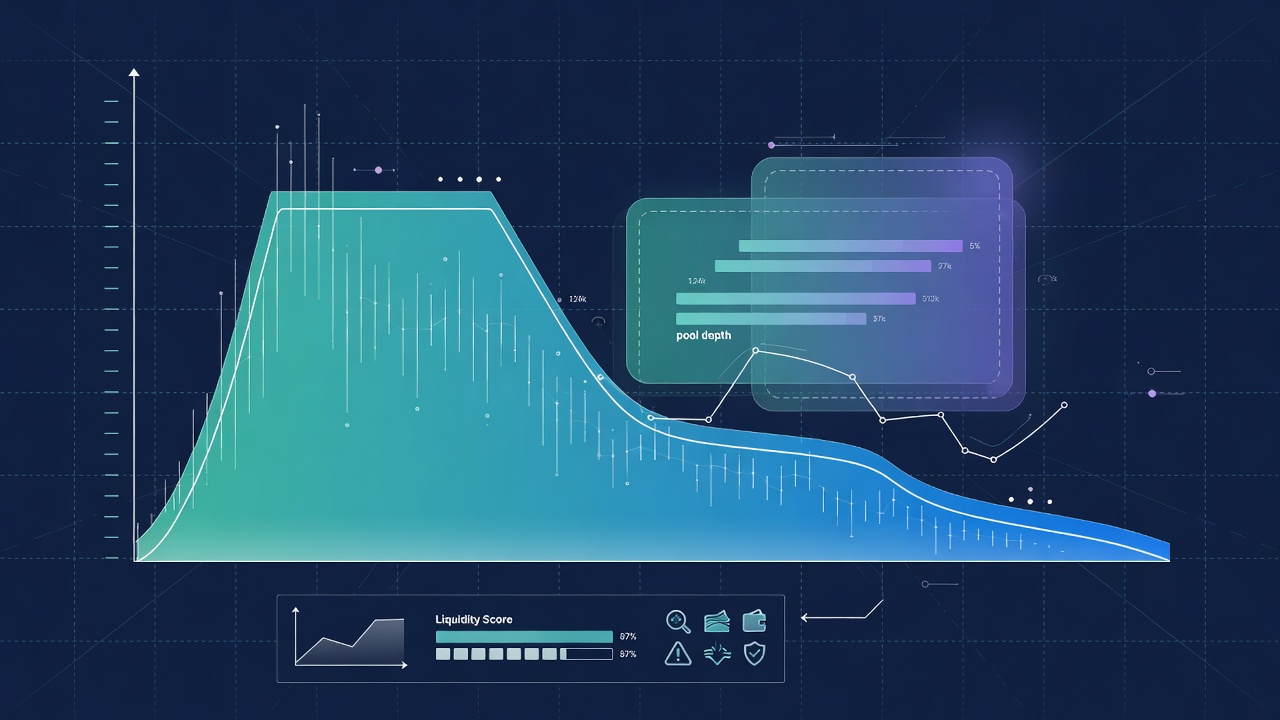
Thin liquidity is one of the fastest ways retail traders get wrecked. If you want a clear process for how to check token liquidity before buying, use the steps below before you hit buy on any Telegram sniper, copy, or trading bot.
This is tool literacy, not a profit promise. Liquidity tells you whether you can enter and exit without eating the chart. Skip it and you are guessing.
Why Liquidity Matters More Than Chart Hype
Price candles look clean until you try to sell. Liquidity is the depth of the pool (or order book) that absorbs your size. Low liquidity means:
- Huge slippage on entry and exit
- Easy wallet drains via honeypots or thin pools
- Chart moves from small buys that reverse hard on sells
- Bots quoting a price you cannot actually fill
Telegram bots speed up execution. They do not replace a liquidity check. Rankings and speed are useless if the pool cannot take your size.
How to Check Token Liquidity Before Buying Step by Step
Use this checklist every time, even on tokens shared in signal groups.
1. Confirm Chain, Pair, and Contract
- Match the exact contract from a trusted explorer link, not a username paste alone.
- Confirm the pair (for example SOL/USDC, ETH/WETH, base pair on that chain).
- Reject lookalike tickers with near-identical names.
One wrong contract and every liquidity number you read is fiction.
2. Read Pool Size in Stable Terms
Open a reputable DEX screener or the chain explorer pool page and note:
- Total liquidity in USD (or major stable)
- Token side vs quote side balance
- Recent adds or removes of liquidity
Rules of thumb for small retail size (not advice, just risk framing):
- Very thin pools (low five figures or less in USD) can move violently on normal buys.
- If your intended size is more than a small fraction of pool depth, expect painful slippage.
- A rising chart with flat or falling liquidity is a red flag.
Bots may show a quick liquidity field. Treat it as a starting number. Verify on an independent view.
3. Check Whether Liquidity Is Locked or Burned
Unlocked liquidity can be pulled. That is classic rug structure.
Look for:
- Lock platform proof with clear unlock date
- Burned LP tokens where the chain shows dead address ownership
- Who can call remove-liquidity style functions on the pair or router path
No lock, short lock, or opaque lock screenshots without explorer proof: treat as high risk. Telegram bots will still let you buy. That does not mean exit exists later.
4. Stress Test Exit, Not Only Entry
Ask: if I need out in one clip, what breaks?
- Simulate a sell size close to what you might actually use.
- Watch quoted price impact and minimum received.
- Check if sells are restricted (honeypot patterns, blacklist, max tx, weird taxes).
Many traders only preview the buy. Liquidity problems show up hardest on the sell.
5. Watch Tax, Max Wallet, and Trading Flags
High sell tax, changing tax, or pause-trading functions can trap you even when the pool looks decent.
Cross-check:
- Buy and sell tax estimates from more than one tool when possible
- Max transaction and max wallet limits vs your size
- Whether the token is still in a sniper-friendly launch window with unstable settings
6. Age of Pool and Concentration
Brand-new pools can be legitimate launches or bait. Extra caution when:
- Pool is minutes old and already aggressively shilled
- Top holders own a huge share of supply
- Deployer still controls mint, proxy upgrade, or trading toggle
Liquidity number alone does not fix concentration risk.
7. Bot-Specific Preview Habits
If you trade through Telegram bots:
- Use any built-in token scan or safety panel before confirm
- Set slippage consciously. Wide slippage is not a strategy. It is a fee to chaos.
- Start with size you can afford to mis-fill while you learn the bot UI
- Keep a separate hot wallet with limited funds for experimental pairs
TGBot exists to help you compare bot jobs and workflows. Your liquidity process still sits upstream of which bot you pick.
Quick Red Flags That Override FOMO
Walk away or size down hard when you see:
- Liquidity far below your planned position
- Unlocked LP with anonymous team and heavy shill
- Sell simulation failing or returning dust
- Mismatched contract across Telegram messages
- Sudden LP remove while calls keep pumping
- Tax or blacklist behavior that only appears on sell
No call channel urgency beats a failed exit check.
Practical Workflow You Can Repeat in Under Two Minutes
- Copy contract from a primary source.
- Open pair on a screener plus explorer.
- Note USD liquidity, lock/burn status, and top holders.
- Preview sell impact for your real size.
- Only then open the Telegram bot buy flow.
- Log what you accepted (size, slippage, why) so you can review later.
Consistency beats adrenaline. The same checklist on boring coins and hyped memes is the point.
Common Mistakes Retail Traders Make
Trusting the bot quote alone. Quotes assume the pool state stays friendly through your tx.
Confusing volume with liquidity. Volume can be wash or one-wallet churn. Depth is what cushions your exit.
Ignoring quote-token choice. A pool denominated in a illiquid meme quote is not the same as a deep major-pair pool.
Sizing from Twitter screenshots. Screenshots lag. LP can leave while the image still circulates.
Skipping permissions hygiene. Liquidity checks do not replace wallet safety: limited approvals, separate hot wallets, and skepticism toward random bot links still matter.
How This Fits Telegram Bot Rankings and Job Fit
Different bot jobs need the same liquidity discipline:
- Snipers: fastest fills into the thinnest moments. Highest need for pre-set size caps and exit rules.
- Copy bots: you inherit someone else's entry. You still own the exit liquidity problem.
- DCA or limit-style bots: repeated buys into a shallow pool can be your own slippage machine.
- Signal relays: treat calls as tickets to research, not as cleared risk.
When you compare bots on tgbot.com, weigh speed and features against whether the UI helps you see pair data, taxes, and pretouch checks. Job fit first. Hype last.
Simple Sizing Frame (Education Only)
Not financial advice. For learning risk control:
- If pool depth is small, your trade should be smaller still.
- If you cannot explain where exit liquidity comes from, you are not trading a market. You are funding someone else's exit.
- Cap loss per experiment so one bad pool cannot end the week.
Write your own limits before the chat goes loud.
Conclusion
Learning how to check token liquidity before buying is basic survival for Telegram crypto trading. Confirm contract and pair, read real pool depth, verify lock or burn, simulate the sell, and only then use your bot. Rankings and fast execution help after that filter, not instead of it.
Stay practical. Compare tools by job fit. Keep risk visible. Not financial advice. Trading involves risk of loss.
FAQ Placeholder Heading Removed In Favor Of Structured FAQ Field
Not financial advice. Trading involves risk of loss.
Not financial advice. Crypto trading can lose money. TGBot rankings are research aids, not guarantees. Always verify official bot links and never share your seed phrase.